
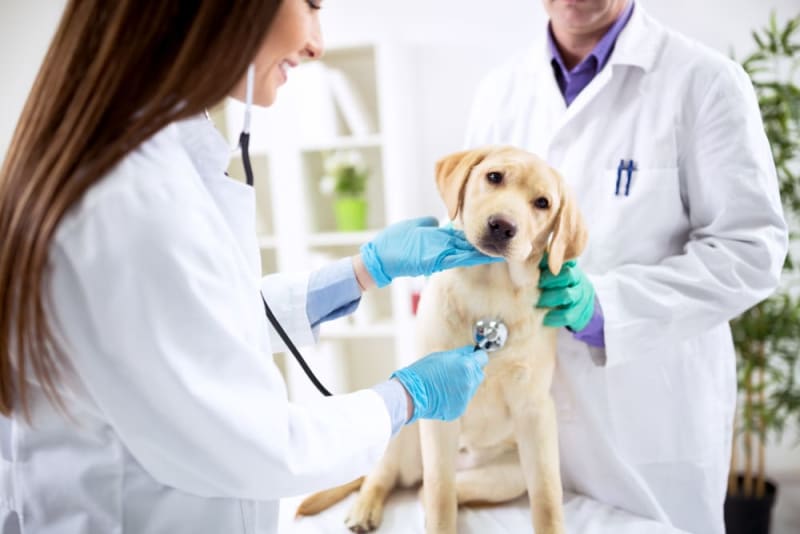
You might be feeling a mix of worry and guilt right now. Maybe your vet mentioned that your pet is overdue for vaccines, or you just adopted a new dog or cat, and the vaccination schedule sounds confusing and expensive. You love your animal, you want to do the right thing, and yet you might also be wondering how much of this is truly necessary. Malvern veterinarian for second opinion end
That tension is very common. You hear about “core” vaccines, “non-core” vaccines, yearly boosters, possible side effects, and it can all start to feel like a lot. At the same time, the last thing you want is to see your pet suffer from a disease that could have been prevented with a simple visit to a general veterinarian.
So, where does that leave you? The short version is this. Vaccinations are not just one more box to tick at the clinic. Why vaccinations are a cornerstone of veterinary services comes down to three things. Protecting your pet from painful and often deadly diseases. Protecting your family and community from illnesses that pass between animals and people. And giving your veterinarian a structured way to follow your pet’s health over time instead of reacting only when something goes wrong.
Are vaccines really necessary for my pet, or are they optional extras?
It often starts with something simple. An email reminder from your vet. A notice from the boarding facility. Or a rescue group telling you your new pet needs “the full series.” You might look at your healthy, energetic dog or cat and think, “They seem fine. Do we really need all of this?”
That question makes sense. Vaccines are one more cost. You may also have heard stories of pets who felt tired after shots or rare reports of reactions. Because of this, it is easy to wonder if skipping or stretching vaccines is a reasonable way to save money or avoid risk.
The problem is that many of the diseases we vaccinate against are quiet until they are catastrophic. Parvovirus can turn a playful puppy into a critically ill patient in a matter of days. Rabies is almost always fatal and can be passed to people. Feline panleukopenia can devastate a young cat’s immune system. By the time you see clear signs, treatment is intensive, expensive, and not always successful.
Veterinary groups such as the American Veterinary Medical Association explain that vaccines for dogs and cats are divided into “core” and “non-core,” based on the risk and severity of disease. This helps your veterinarian design a plan that is tailored, not one-size-fits-all.
So what happens when vaccines are delayed or skipped? Imagine a young indoor-only cat. You might think the risk is low. Then a bat gets into the house, or your cat slips out a door and is found by a neighbor’s child, or you need emergency boarding during a move. Those rare moments are exactly when protection matters most. Vaccines are like a safety net that sits quietly in the background until life surprises you.
How do vaccinations protect both my pet and my family?
When you think about a pet vaccination program, it helps to picture two circles. One circle is your animal’s personal health. The other circle is the health of everyone and everything your pet interacts with. Vaccines sit right where those circles overlap.
On the personal side, vaccines reduce the risk of your pet suffering from diseases that can cause severe pain, organ damage, or long hospital stays. Parvovirus in dogs or panleukopenia in cats often requires days of isolation, IV fluids, and close monitoring. Distemper can cause lifelong neurological problems. For many of these illnesses, prevention is far kinder than any treatment we can offer after infection.
On the family and community side, vaccines help control diseases that can spread to people. Rabies is the most obvious example. It is almost always fatal once symptoms appear. Keeping your pet vaccinated protects you, your children, your neighbors, and the professionals who handle your animal, such as groomers, trainers, and veterinary staff. The CDC has clear information on how healthy pets, including vaccinated pets, help keep households safer on its page about staying healthy around animals.
There is also a quieter benefit. Regular vaccination visits mean regular checkups with a general veterinarian. That gives your vet a chance to spot weight changes, dental disease, new lumps, or behavior shifts long before they become emergencies. Vaccines are often the reason those visits are scheduled, but the health conversation that happens around them can be just as important.
What are the real risks and benefits of vaccinating my pet?
You might still be asking yourself, “What about side effects?” That is a fair concern. Any medical treatment has some level of risk. For vaccines, the most common reactions are mild. A day of sleepiness. A little tenderness at the injection site. Rarely, a pet may have a more serious allergic reaction, which is why vets usually ask you to stay in the lobby for a short time after new vaccines.
The key question is not whether risk exists. It is how that risk compares to the danger of the disease itself. When you look at it that way, the balance becomes clearer. Modern vaccines for pets are studied and monitored closely, and your veterinarian can space them out or adjust the plan if your animal has a history of sensitivity.
To help put this into perspective, here is a simple comparison of common concerns about vaccinations versus the risks of staying unvaccinated.
| Concern | With Recommended Vaccines | Without Recommended Vaccines |
|---|---|---|
| Risk of serious disease | Very low for covered diseases | High, especially for young, social, or outdoor pets |
| Typical side effects | Mild, short-term tiredness or soreness | None from vaccines, but higher risk of severe illness later |
| Financial impact over time | Predictable visits and costs spread over years | Possible emergency bills that can reach thousands of dollars |
| Risk to family and community | Lower risk of zoonotic disease like rabies | Higher risk of disease spread to people and other animals |
| Ability to board, groom, or attend daycare | Usually required vaccines are already in place | May be refused services or need urgent catch-up shots |
If you want to read more about how vaccines work and which ones are considered “core” for most pets, the AVMA offers a clear overview of vaccinations for your pet. This can be a helpful reference to bring to your next appointment.
What can I do right now to protect my pet with smart vaccination choices?
Once you understand why pet vaccines are central to general veterinary care, the next step is turning that knowledge into a plan that feels manageable, not overwhelming.
1. Gather your pet’s history and write down your questions
Before you see your veterinarian, collect any records you have. Adoption papers, previous vaccine certificates, or emails from past clinics. If you are missing records, write down what you remember. Approximate age, indoor or outdoor lifestyle, contact with other animals, travel, boarding, grooming, or daycare. Then make a short list of questions. For example. “Which vaccines are truly essential for my pet’s lifestyle?” “Can we space out vaccines if I am worried about reactions?” “What is the schedule and cost over the next year?” Going in prepared makes the visit calmer and more productive.
2. Ask your vet to create a tailored vaccination schedule
Every animal is different. A mostly indoor senior cat has different needs than a young, active dog that hikes, goes to daycare, and travels. During your appointment, ask for a clear, written plan that covers which vaccines are recommended, how often boosters are needed, and how those visits can be combined with regular checkups. This turns a vague sense of “I should probably do vaccines” into a simple calendar you can follow. If cost is a concern, say so openly. Many clinics can prioritize core vaccines first or space visits to help with budgeting.
3. Monitor your pet after vaccines and keep communication open
After any vaccine visit, plan for a quiet day at home. Watch for expected mild signs like sleepiness or tenderness. If you see anything that worries you, such as swelling of the face, vomiting, or trouble breathing, contact your veterinarian right away. The information you share after each visit helps your vet refine your pet’s future vaccine plan. Over time, this partnership builds a safe routine that protects your pet while respecting their individual sensitivities.
Where does this leave you and your pet?
You do not need to become an expert in immunology to keep your animal safe. You simply need a clear, honest conversation with a general veterinarian who understands that your pet is family and that your worries are real. Vaccines are one of the strongest tools that veterinary medicine has to prevent suffering, protect households, and support longer, healthier lives.
If you are feeling unsure, that is okay. Start with one step. Call your clinic, share your concerns, and ask for a thoughtful vaccination plan that fits your pet and your situation. The goal is not to check off boxes. The goal is to give your dog or cat the best chance at many more healthy years by your side.