
Introduction
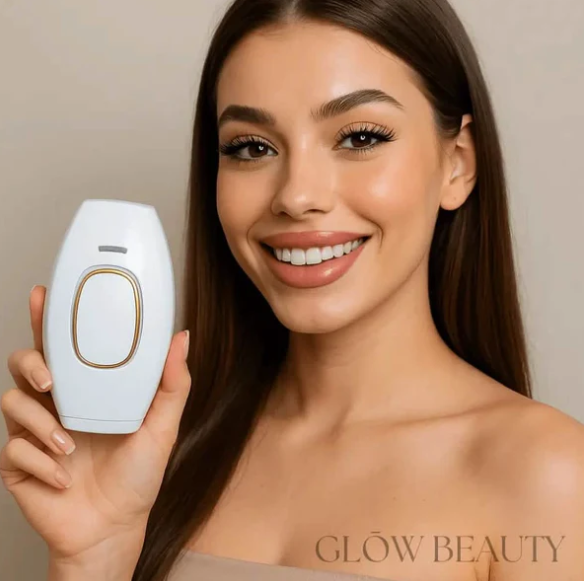
Hair removal has evolved significantly over the past few decades, moving beyond traditional methods such as shaving, waxing, and threading. Today, technology-driven solutions offer more efficient and long-term approaches. One of the most widely discussed innovations is the use of an ipl laser hair removal machine, which applies Intense Pulsed Light technology to target hair follicles and reduce regrowth. IPL technology is often associated with laser systems, but technically it uses broad-spectrum light rather than a single laser wavelength. The core objective remains the same: reducing hair growth by targeting the pigment in hair follicles. This article explores how IPL works, its advantages and limitations, safety considerations, and what the future holds for light-based hair reduction technologies.
What Is IPL Technology?
IPL stands for Intense Pulsed Light. Unlike traditional laser systems that emit a single wavelength of light, IPL devices emit multiple wavelengths in short pulses. These pulses are absorbed by melanin, the pigment in hair, and converted into heat.
This heat damages the hair follicle at the root, reducing its ability to produce new hair. Over repeated sessions, hair growth becomes finer, lighter, and less dense.
Key Characteristics of IPL
IPL systems are defined by several technical features:
- Broad-spectrum light instead of a focused laser beam
- Adjustable energy levels for different skin tones
- Pulsed delivery rather than continuous light
- Designed for large treatment areas
These characteristics make IPL suitable for treating various body areas such as arms, legs, underarms, face, and bikini line.
How IPL Hair Removal Works
The fundamental principle behind IPL is selective photothermolysis. This means light energy selectively targets specific structures in this case, hair follicles without damaging surrounding tissue.
Step-by-Step Process
The IPL process typically follows these steps:
- Light pulses are emitted from the device.
- Melanin in the hair absorbs the light.
- Light converts into heat energy.
- Heat damages the follicle structure.
- Hair growth slows or stops over time.
Because hair grows in cycles, multiple sessions are required. IPL is most effective during the active growth phase (anagen), which is why treatments must be repeated every few weeks.
IPL vs Traditional Laser Hair Removal
Although often grouped together, IPL and laser hair removal are not identical. The main difference lies in the type of light used.
Core Differences
| Feature | IPL | Laser |
| Light Type | Broad spectrum | Single wavelength |
| Precision | Lower | Higher |
| Speed | Faster for large areas | Slower but targeted |
| Cost | Usually lower | Usually higher |
| Skin Suitability | Limited for darker tones | More adaptable |
Laser systems are more precise and often used in medical settings, while IPL offers greater accessibility and convenience, especially for home use.
Benefits of IPL Hair Reduction
IPL has gained popularity because it offers a balance between effectiveness and practicality. While not permanent, it significantly reduces hair growth when used consistently.
Main Advantages
Some key benefits of IPL include:
- Long-term hair reduction
- Minimal skin irritation compared to waxing
- No ingrown hairs in most cases
- Suitable for multiple body areas
- Cost-effective over time
Another important benefit is skin improvement. IPL is also used in dermatology for treating pigmentation, redness, and acne scars, which shows its broader cosmetic potential.
Limitations and Realistic Expectations
Despite its benefits, IPL is not a perfect solution. Understanding its limitations helps avoid unrealistic expectations.
Factors That Affect Results
IPL effectiveness depends on:
- Skin tone and hair color
- Hormonal balance
- Hair thickness
- Consistency of use
- Device quality
IPL works best on light to medium skin tones with dark hair. It is less effective on very light blonde, grey, or red hair because these contain little melanin.
Not a Permanent Solution
IPL reduces hair growth significantly but does not permanently remove hair. Maintenance sessions are usually required every few months to sustain results.
Safety Considerations and Skin Health
IPL is generally safe when used correctly, but improper use can cause discomfort or skin damage.
Common Safety Guidelines
To ensure safe use, users should:
- Perform a patch test before full treatment
- Avoid sun exposure before and after sessions
- Use protective eyewear if recommended
- Never treat tattoos or moles
- Keep skin clean and dry
Mild redness or warmth after treatment is normal and usually subsides within a few hours.
Who Should Avoid IPL?
Although IPL is safe for most people, certain individuals should avoid it or consult a dermatologist.
Not Recommended For:
- Pregnant individuals
- People with photosensitive skin conditions
- Those using light-sensitive medications
- Individuals with active skin infections
- Very dark skin tones
In these cases, alternative hair removal methods may be more appropriate.
IPL for Different Body Areas
One of the major advantages of IPL is its versatility. It can be used on almost any body area, provided safety guidelines are followed.
Common Treatment Areas
IPL is typically used for:
- Legs and arms
- Underarms
- Facial hair (upper lip, chin)
- Bikini area
- Back and chest
However, sensitive areas such as around the eyes or intimate zones require extra caution and lower intensity settings.
Long-Term Results and Maintenance
Consistency is key when it comes to IPL. Most users begin seeing noticeable results after 4 to 6 sessions.
Typical Treatment Timeline
- Week 1–4: Initial reduction in growth
- Week 6–8: Hair becomes finer
- Week 12+: Visible long-term reduction
Maintenance sessions every 2–3 months help preserve smooth results.
Psychological and Lifestyle Benefits
Beyond physical appearance, IPL hair reduction can have psychological benefits.
Indirect Advantages
Users often report:
- Increased confidence
- Reduced grooming time
- Less anxiety about body hair
- Improved skin texture
These lifestyle improvements make IPL appealing not only for cosmetic reasons but also for personal comfort.
Technological Advancements in IPL
IPL technology continues to evolve with improved safety features, better sensors, and smarter energy control.
Emerging Innovations
Modern IPL systems now include:
- Skin tone detection
- Cooling mechanisms
- Smart pulse regulation
- Mobile app integration
These advancements make treatments safer, more personalized, and easier to manage.
Environmental and Economic Impact
From a sustainability perspective, IPL offers advantages over disposable methods like razors and waxing strips.
Environmental Benefits
- Reduces plastic waste
- Lowers long-term product consumption
- Minimizes chemical usage
Economically, IPL reduces recurring costs associated with salon treatments and grooming products.
Conclusion
IPL technology represents a significant shift in the way people manage hair removal. By combining scientific principles with user-friendly design, it offers a practical and long-term approach to reducing unwanted hair. While not a permanent solution, consistent use delivers noticeable improvements in both appearance and comfort when using an ipl laser hair removal machine. As technology continues to advance, IPL systems are becoming more efficient, safer, and accessible. Understanding how the technology works, along with realistic expectations, ensures users can make informed decisions and achieve the best possible results.
FAQs
1. Is IPL hair removal permanent?
IPL is not considered permanent hair removal. It significantly reduces hair growth over time, but maintenance sessions are required. Most users experience long-term hair reduction rather than complete and permanent elimination.
2. How many sessions are needed to see results?
Visible results usually appear after 4 to 6 sessions, depending on hair type and skin tone. Since hair grows in cycles, multiple treatments are necessary to target follicles during their active growth phase.
3. Does IPL work on all skin types?
IPL works best on light to medium skin tones with dark hair. It is less effective on very dark skin or very light hair due to insufficient contrast between hair pigment and skin tone.
4. Is IPL painful?
Most users describe IPL as mildly uncomfortable rather than painful. Sensations often feel like a warm snap or light rubber band flick. Modern devices include cooling features to improve comfort.
5. Can IPL cause skin damage?
When used correctly, IPL is safe. However, improper settings or treating unsuitable skin types may cause redness, burns, or pigmentation changes. Following guidelines and performing patch tests reduces risks significantly.