
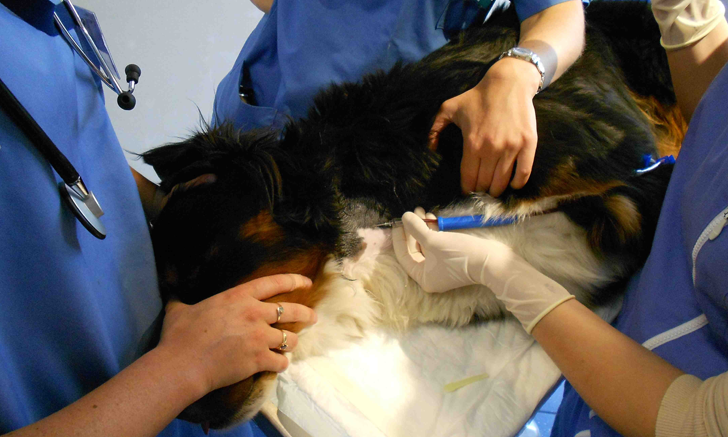
You hear that your pet may need a blood transfusion, and everything narrows. You may still be trying to process the diagnosis, the cost, the urgency, and the fear that comes with hearing your veterinarian use words that sound severe. That reaction is normal. When a veterinary team providing veterinary care in Mastic, NY brings up transfusion support, it usually means your pet has lost blood, is not making enough healthy blood cells, or has a clotting problem that cannot wait.
The good news is that a transfusion is not a random last-minute idea. It is a medical tool used when your pet needs help getting oxygen to tissues, replacing blood loss, or correcting a serious bleeding disorder. A pet blood transfusion can buy time, stabilize a crisis, and support treatment for the condition that caused the emergency in the first place.
Severe blood loss often leads a veterinary clinic to discuss transfusion support
One of the clearest reasons a veterinary clinic may raise the subject is acute blood loss. This can happen after trauma, surgery complications, internal bleeding, or an accident no one saw coming. Sometimes the cause is obvious, such as a dog hit by a car. Sometimes it is hidden, such as a bleeding tumor in the spleen or a stomach ulcer that has been quietly getting worse.
When blood volume drops fast, your pet may become weak, pale, cold, or collapse. The body tries to compensate, but it can only do that for so long. If red blood cells fall too low, organs stop getting enough oxygen. That is where transfusion support becomes part of the conversation. It does not erase the cause of the bleeding, but it can keep your pet stable enough for surgery, imaging, or other treatment.
This is also where timing matters. Waiting too long can turn a manageable emergency into a much harder recovery. Veterinary teams use exams, bloodwork, heart rate, blood pressure, and signs such as pale gums to decide whether a transfusion is needed right away.
Severe anemia is another common reason for a pet blood transfusion
Anemia means your pet does not have enough red blood cells or hemoglobin to carry oxygen well. Some pets lose blood. Others destroy their own red blood cells through immune-mediated disease. Some stop producing enough blood cells because of bone marrow disease, chronic illness, toxins, or certain infections.
This can be one of the hardest situations for pet owners because the decline is not always dramatic at first. It may start with tiredness, less interest in food, fast breathing, or your cat hiding more than usual. Then one day your pet looks exhausted after walking across the room. That change can feel sudden even when the disease has been building for days or weeks.
In these cases, a transfusion does not always cure the anemia. It often serves as support while the clinic treats the underlying problem with medication, hospitalization, or further testing. If your veterinarian says your pet needs blood because the red cell count has dropped to a dangerous level, they are trying to prevent organ strain and buy time for the main treatment to work.
Clotting disorders and toxin exposure can make transfusions necessary
Some pets need more than red blood cells. They may need plasma, which contains clotting factors. This often comes up when a pet has a bleeding disorder, liver failure, or has eaten anticoagulant rodent poison. In those cases, the body may be unable to clot properly, which means even minor bleeding can become serious.
You may notice bruising, nosebleeds, blood in the urine or stool, or sudden weakness. In other cases, there are no clear signs until internal bleeding becomes advanced. Plasma transfusions can help replace missing clotting factors while your veterinarian addresses the cause. Cornell’s transfusion guidelines explain how veterinarians match blood products to the problem they are treating.
This is one reason the phrase animal blood transfusion covers more than many owners realize. It is not always whole blood. Your pet may receive packed red blood cells, plasma, or another blood product based on what is missing and what the body needs most.
Major surgery and complex illness may require blood product support
Some pets are already in the hospital for surgery or treatment of a serious disease when transfusion support comes up. A large tumor removal, emergency abdominal surgery, severe gastrointestinal bleeding, or a condition that affects the bone marrow can all create situations where blood products become part of the care plan.
This does not always mean the procedure went wrong. It can mean your pet came into surgery already weakened, or the team is preparing for a known risk. In referral hospitals and emergency centers, blood banks help make this possible. Ohio State’s companion animal blood bank shows how veterinary medicine depends on screened donor blood to support pets in crisis.
For many families, this is also where the emotional and financial weight hits hardest. You are being asked to make decisions fast, often while your pet is hospitalized and you are running on fear and very little sleep. Asking what the transfusion is meant to accomplish can help. Is it stabilizing your pet for surgery, correcting life-threatening anemia, or supporting recovery while another treatment starts working? Clear answers help you make grounded decisions.
Risks and benefits of a veterinary blood transfusion deserve a direct discussion
Every transfusion has potential benefits and risks. Your veterinary team should explain both in plain language. Benefits may include improved oxygen delivery, better blood pressure support, less active bleeding, and a safer path to surgery or recovery. Risks can include transfusion reactions, fever, immune responses, fluid overload, or the reality that the underlying disease may still be severe.
| Situation | Why transfusion may be discussed | Likely blood product | Main goal |
| Acute blood loss | Blood volume or red cells dropped quickly after trauma or internal bleeding | Packed red blood cells or whole blood | Restore oxygen delivery and stabilize shock |
| Severe anemia | Red cell count is too low to support normal organ function | Packed red blood cells | Support the body while the cause is treated |
| Clotting disorder or rodenticide toxicity | Missing clotting factors increase bleeding risk | Plasma | Help blood clot more effectively |
| Major surgery or complex illness | Expected or active blood loss during treatment | Red cells, plasma, or both | Improve safety during treatment and recovery |
Clear next steps help you respond when a clinic mentions transfusion
Ask what problem the transfusion is solving. You need to know whether the issue is blood loss, anemia, clotting failure, or surgical support. That answer tells you what the team is treating now and what still needs to happen after the transfusion.
Request the current numbers and the trend. Ask about red blood cell count, packed cell volume, total protein, clotting values, and whether those numbers are falling, stable, or improving. A single number matters less than the direction it is moving.
Get the full care plan in one conversation. Ask about cost, monitoring, possible reactions, expected outcome, and what happens if your pet does not receive the transfusion. This is the fastest way to understand the real choices in front of you.
A veterinary clinic discusses transfusion when your pet needs support fast
Hearing that your pet may need blood is frightening, but it usually means the clinic has identified a specific medical need and a way to help. 4 Situations In Which A Veterinary Clinic May Discuss A Pet Blood Transfusion comes down to the same core truth. Your pet may need support after blood loss, during severe anemia, with a clotting problem, or through major treatment. If that conversation happens, slow it down, ask direct questions, and focus on what the transfusion is meant to do right now.
If your pet’s condition is changing quickly, contact a veterinary clinic right away for guidance and emergency evaluation.