
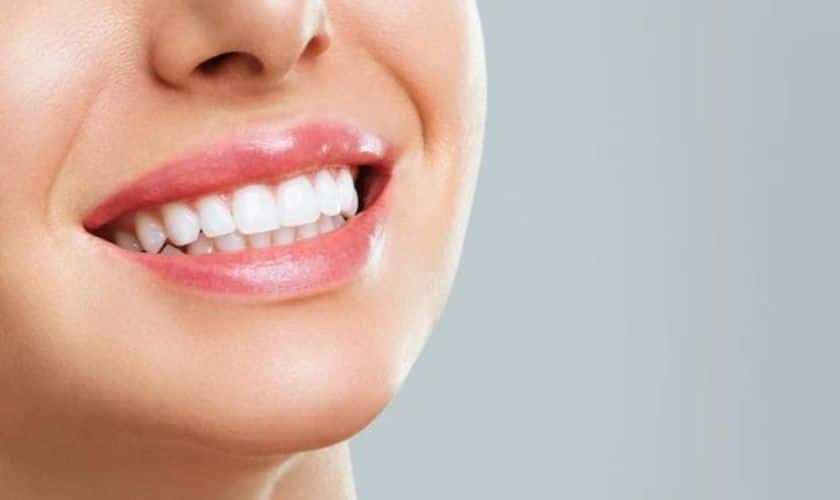
You notice it in photos first. Then in the mirror. A chip on a front tooth, stains that do not lift, a gap that seems larger than it used to, or a worn edge that changes the way your whole smile looks. It can feel small and constant at the same time. You still brush, still show up, still smile when you need to, but part of you is managing around it, which is why visiting a dental clinic in South Calgary can feel like the right next step.
That is usually the real issue with cosmetic dental concerns. They are not only about appearance. They affect confidence, comfort, and the way you carry yourself in everyday moments. The good news is that natural looking results are possible, and they do not always require dramatic work. The right treatment depends on what is actually bothering you, how long you want results to last, and how much healthy tooth structure can be preserved.
Natural looking cosmetic dentistry starts with the right match
People often assume all smile treatments look obvious or overly white. That fear keeps many from asking about options at all. A skilled family and cosmetic dentist aims for balance, not a fake finish. Shape, color, translucency, gum line, and bite all matter. If one part is off, even expensive work can look unnatural.
That is why natural looking cosmetic dentistry usually begins with a careful exam and a conversation about what you want to change. Some patients want one front tooth repaired after an accident. Others want a full refresh after years of grinding, coffee stains, or older dental work that no longer blends in. The treatment should fit the problem, not the other way around.
Dental veneers can reshape a smile with durable, subtle results
Veneers are thin shells bonded to the front of teeth to improve color, shape, size, or minor spacing issues. They are often used when whitening is not enough or when enamel is chipped or uneven. The best veneer work does not announce itself. It blends with your face and the rest of your teeth.
If you have one dark tooth after trauma, small front teeth that never felt proportionate, or worn edges that make your smile look older, veneers may offer a strong solution. According to the ADA’s overview of veneers, porcelain veneers are a common option for improving the appearance of teeth while resisting stains better than natural enamel.
They do require planning. Some cases need a small amount of enamel removed, which means the decision is not something to make casually. Veneers can last many years when they are well made and cared for, but they still need the same daily brushing, flossing, and bite protection as natural teeth.
Dental bonding repairs chips and gaps without major treatment
Bonding is one of the most conservative cosmetic procedures available. Tooth colored resin is shaped directly onto the tooth, then hardened and polished. It works well for small chips, short edges, minor gaps, and spots that draw the eye every time you speak.
This is often the option people wish they had asked about sooner. If your concern is isolated and modest, bonding may improve the look of your smile in a single visit. It also usually costs less than veneers or crowns. The tradeoff is longevity. Bonding can stain, chip, or wear faster than porcelain, especially if you bite nails, chew ice, or grind your teeth.
For the right patient, though, it delivers a real change without aggressive treatment. That matters when you want a cosmetic fix that still feels conservative.
Teeth whitening lifts years of staining when enamel is healthy
Stains build slowly, which is why many people do not realize how much color has shifted until they compare old photos. Coffee, tea, red wine, tobacco, and simple aging all play a role. Whitening can brighten the smile without changing tooth shape, and that alone may be enough.
The key is choosing the right method. Some over the counter kits help a little, but uneven trays, low strength products, and overuse can lead to blotchy results or sensitivity. The ADA’s teeth whitening guidance explains that whitening works best under a dentist’s supervision, especially if you have fillings, crowns, gum recession, or sensitive teeth.
This is one of the most requested forms of cosmetic dental treatment because it is simple and familiar. It is also one of the easiest to misuse. If your discoloration comes from internal tooth damage or medication staining, whitening may not solve the problem on its own.
Dental crowns restore strength and appearance after damage
When a tooth is badly worn, cracked, weakened by a large filling, or broken down after decay, a crown may be the better cosmetic and functional choice. A crown covers the whole visible part of the tooth and can restore both shape and strength.
Many people hear “crown” and think only of repair, but modern materials can look very natural. This matters when the damaged tooth is near the front, or when a back tooth shows every time you laugh. If a tooth already has structural loss, choosing a lighter cosmetic treatment may leave you with a prettier tooth that still fails later.
MedlinePlus explains dental crowns as a way to protect weak teeth, restore broken teeth, and improve appearance. That combination is why crowns often have the longest staying power in cases where the tooth itself needs support, not just a visual upgrade.
Comparing cosmetic dentistry procedures by appearance, durability, and cost
| Procedure | Best For | Natural Look | Typical Longevity | Relative Cost |
| Teeth Whitening | Surface and age related staining | High when shade is chosen carefully | Months to 3 years with maintenance | Low |
| Dental Bonding | Small chips, gaps, uneven edges | High for minor corrections | 3 to 10 years | Low to moderate |
| Veneers | Color, shape, spacing, worn front teeth | Very high with custom design | 10 to 15 years or longer | Moderate to high |
| Crowns | Teeth with major damage or weakness | High with modern ceramic materials | 10 to 15 years or longer | Moderate to high |
The best cosmetic dentistry procedures are not always the most expensive ones. If your teeth are healthy and the issue is mild, simple treatment may get you where you want to go. If the tooth is compromised, longer lasting results usually come from treating both strength and appearance together.
Three smart steps before you commit to smile work
Get clear on what bothers you most. “I want a better smile” is a starting point, not a treatment plan. Is it color, one damaged tooth, uneven edges, old dental work, or spacing? Specific concerns lead to better options and fewer regrets.
Ask how the result will age. A beautiful before and after photo does not tell you how a treatment holds up against coffee, grinding, clenching, or gum changes. Ask what maintenance looks like, how often touch ups are needed, and what happens if a restoration chips or stains.
Choose health first, then cosmetics. If you have decay, gum inflammation, bite problems, or heavy wear, handle those first. Cosmetic work lasts longer and looks better when the foundation is stable. That is where a family and cosmetic dentist can help connect appearance with long term oral health.
You do not need a dramatic makeover to feel better about your smile. Sometimes one repaired chip, one brighter shade, or one well matched restoration changes more than you expected. The right plan respects how your teeth function, how your smile already looks, and how you want to feel when you stop thinking about it and just smile.