
Key Takeaways
- Grass burrs, also called sandburs, thrive in Texas’s warm climate and sandy soils, which makes the state especially prone to infestations.
- An integrated approach using cultural methods, chemical control, and preventive measures is essential for success.
- Building and maintaining a thick, vigorous lawn gives you the best chance of suppressing these persistent weeds long-term.
Grass burrs and stickers are notorious for turning lush Texas lawns into prickly minefields. These stubborn invaders not only spoil the aesthetic appeal of your yard but also cause discomfort to anyone or any pet who ventures out to enjoy the grass. Luckily, understanding the causes and applying proper grass burrs treatment in Texas can restore your lawn to a healthy and enjoyable state. With their sharp, clinging seeds, grass burrs can spread quickly, making them one of the most challenging weeds for Texas homeowners to control. The key to reclaiming your yard lies in recognizing these pesky weeds early and combining smart lawn management practices with targeted treatments for comprehensive control.
Understanding Grass Burrs and Stickers
Grass burrs belong to the Cenchrus genus and are among the most prolific grassy weeds in Texas. These annual weeds flourish in sandy, nutrient-poor soils and thrive in the region’s hot summers. The real problem lies in their reproduction: grass burrs produce spiny seed pods, commonly called stickers, that stick easily to skin, fur, shoes, and clothing, rapidly spreading across neighborhoods and parks. The sharp seeds are a nuisance not just for their pain, but because they make bare feet and pets suffer, discouraging outdoor play and use of grassy spaces. Their prolific nature means that without intervention, a small patch one year can blanket a lawn the next, creating a perpetual cycle of discomfort and difficulty. Grass burrs also indicate broader soil and turf health issues, since they thrive when desirable grasses are struggling. Managing the environment and the life cycle of the burrs is the foundation for lasting control.
Identifying Grass Burrs in Your Lawn
The earlier you recognize grass burrs, the easier it is to get ahead of an infestation. Telltale signs include:
- Growth Habit: Low-growing, mat-forming plants that often hug the ground and spread outward.
- Leaves: Thin, grass-like blades similar to other weedy grasses, but usually rough-textured.
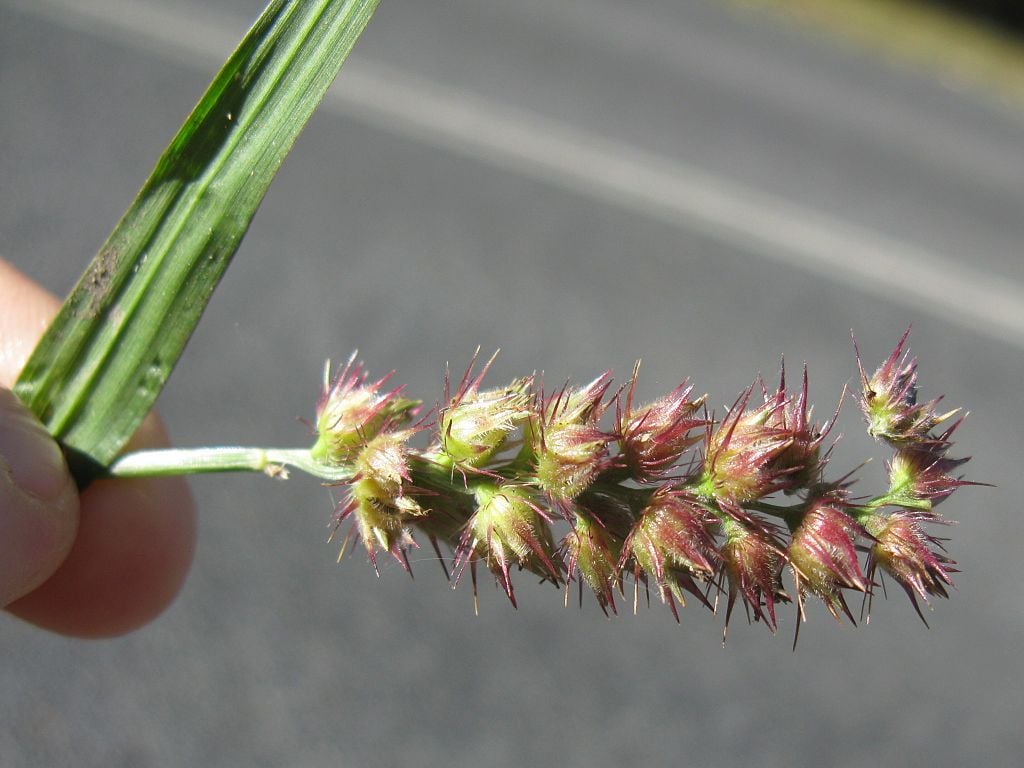
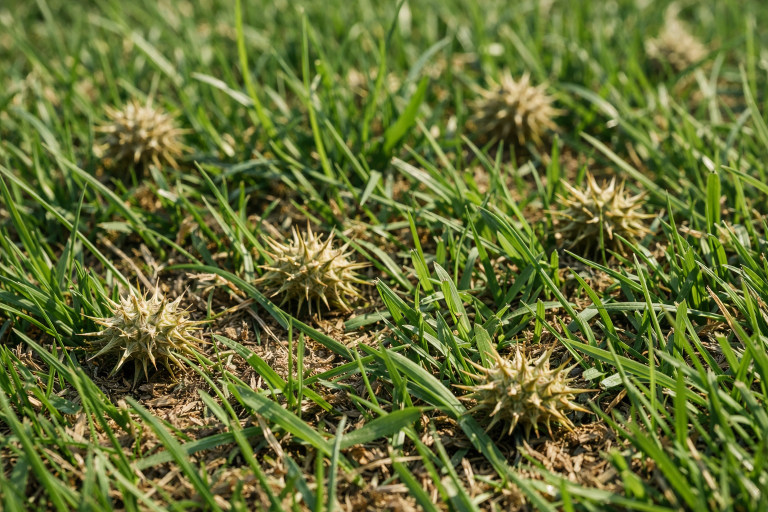
- Seed Pods: Spiky, round, bur-like pods that cling fiercely to almost anything. These form along the stems and are the most recognizable feature.
Proactive identification can halt their spread. Regular inspections throughout the growing season will alert you to emerging patches so you can treat them before they go to seed.
Effective Control Measures
Controlling grass burrs effectively requires targeting both existing weeds and the soil seed bank through layered solutions.
Cultural Practices
- Regular Mowing: Keep your lawn mowed at the proper height for the grass species. Consistent mowing encourages thick turf that shades the soil and chokes out young weeds.
- Proper Watering: Deep, less frequent watering supports deeper root systems in your preferred grasses, which crowd out burrs and other weeds.
- Soil Health: Test your soil to monitor pH and nutrient balance. Enriching your soil with the right fertilizers and amendments creates conditions less favorable to grass burrs.
Chemical Treatments
- Pre-Emergent Herbicides: To attack seeds before they sprout, apply pre-emergent herbicides before soil temperatures hit 52°F (typically late winter or very early spring in Texas). These products form a barrier that keeps new seeds from germinating.
- Post-Emergent Herbicides: For burrs that have already sprouted, use targeted post-emergent products labeled for grass burr control. Some infestations may require multiple treatments through the growing season for complete eradication.
Always follow manufacturer instructions and local regulations for herbicide use, and consider expert or extension service advice when choosing products.
Preventive Strategies
Prevention is the cornerstone of lasting control against grass burrs and stickers. Consider these strategies for ongoing protection:
- Maintain Lawn Density: Dense turf prevents empty spots where weeds can gain a foothold. Overseed or reseed areas where the grass is thin.
- Overseeding: Add vigorous, desirable grass varieties each fall or spring to fill gaps and outcompete emerging weeds.
- Regular Monitoring: Walk your lawn several times each season, particularly late spring through early fall, and remove new burrs before they mature.
When to Seek Professional Help
Sometimes, severe grass burr infestations exceed what most homeowners can handle on their own. If your DIY strategies aren’t working or the weeds keep coming back year after year, hire a professional lawn care service. They will develop a tailored, season-long treatment plan for your lawn, which may include professional-grade herbicides and follow-up maintenance visits to prevent reinfestation.
Conclusion
Taming an invasion of grass burrs and stickers is a real challenge, but not impossible for Texas homeowners. A diligent approach that blends smart mowing, watering, fertilization, proper herbicide use, and thick-turf maintenance can help you reclaim your outdoor spaces. With the right information and consistent care, your lawn can be free of painful burrs, ready for barefoot summer fun for the whole family.