
For individuals facing hearing challenges, choosing between hearing aids and cochlear implants is a crucial step on the journey toward enhanced communication and improved quality of life. While both technologies serve to enhance auditory experiences, they operate through markedly different mechanisms. If you are considering a hearing aid in Clearwater or simply seeking to understand the available options, knowing how each solution works can guide the path forward.
Understanding Hearing Aids
Hearing aids are external electronic devices designed to amplify sounds. They are most commonly prescribed for individuals with mild to moderate hearing loss. Worn either behind the ear or within the ear canal, hearing aids contain microphones, amplifiers, and speakers that work together to boost incoming sounds, making them louder and clearer.
Hearing aids rely on the existing functionality of the inner ear. This means they are effective only when some degree of natural hearing ability remains. For individuals who still possess functioning hair cells within the cochlea, hearing aids can greatly enhance everyday communication, particularly in quiet or moderately noisy environments. Advanced hearing aid models often feature enhancements such as directional microphones, background noise reduction, and Bluetooth connectivity, enabling seamless integration with smartphones and other devices.
Cochlear Implants and How They Differ
Cochlear implants are fundamentally different in their approach. Rather than amplifying sound, these devices bypass damaged parts of the ear and directly stimulate the auditory nerve using electrical signals. This process enables sound perception in individuals with severe to profound hearing loss who derive little or no benefit from traditional hearing aids.
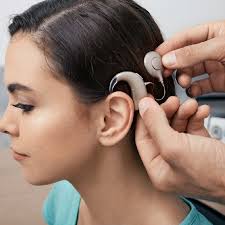
A cochlear implant consists of two primary components: an external sound processor worn behind the ear and an internal receiver surgically implanted under the skin. The external unit captures sound, converts it into digital signals, and sends these signals to the internal component, which then delivers them to the auditory nerve. Over time, users undergo a process of aural training and adaptation to interpret these signals as meaningful sound.
Who Is a Candidate for Each Device?
The decision to use a hearing aid or a cochlear implant depends on several factors, including the severity of the hearing loss, the individual’s ability to comprehend speech, and their overall health. Hearing aids are typically recommended for those with mild to moderate sensorineural hearing loss. These individuals can often maintain effective communication with amplified sound alone.
Cochlear implants, on the other hand, are intended for individuals with more significant hearing impairments. Candidates often struggle with understanding speech, even when using powerful hearing aids. Before proceeding with cochlear implantation, a thorough evaluation is conducted by an audiologist and an otolaryngologist to determine suitability. This includes hearing tests, imaging studies, and an assessment of the individual’s communication needs and expectations.
The Role of Rehabilitation and Support
While hearing aids generally require minimal adjustment beyond routine fine-tuning, cochlear implant users typically participate in comprehensive auditory rehabilitation programs. These programs help users interpret the new signals they receive through their implants, which can initially differ significantly from natural hearing. Progress varies among individuals and is influenced by factors such as age of onset of hearing loss, duration of deafness, and prior use of hearing aids.
Support and follow-up care are critical components for both technologies. Regular check-ups with an audiologist ensure that hearing aids are properly adjusted and functioning. For cochlear implant recipients, long-term support encompasses device programming (also known as mapping), therapy sessions, and monitoring of auditory development.
Advancements in Hearing Technology
Both hearing aids and cochlear implants continue to benefit from advances in digital technology. Innovations such as wireless streaming, noise-cancellation algorithms, and artificial intelligence-driven adjustments allow devices to adapt more dynamically to different environments. These improvements provide users with a more natural and personalized hearing experience, fostering greater confidence in social, educational, and professional settings.
Making the Right Choice
Determining whether a hearing aid or a cochlear implant is the most suitable solution requires professional guidance. Audiologists play a pivotal role in evaluating hearing levels, explaining options, and helping patients set realistic goals for their hearing care. For some individuals, a combination of both technologies—such as wearing a hearing aid in one ear and a cochlear implant in the other—may provide the most benefit.
Conclusion
Choosing between a hearing aid and a cochlear implant is a profoundly personal decision shaped by the nature and extent of hearing loss, lifestyle, and communication goals. For those exploring hearing aid solutions in Clearwater, professional support is available through Countryside Hearing Aid Services. Their knowledgeable team offers comprehensive evaluations and guidance to help clients navigate their hearing journey with clarity and confidence.