
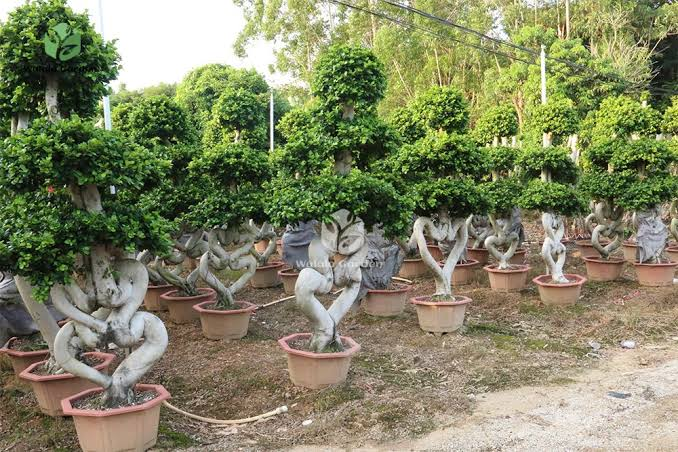
There is no mystery about why the heart shaped bonsai sells. It is a living symbol of love that does not wilt. A bouquet lasts a week. A heart shaped bonsai can last decades if cared for properly. That combination of sentiment and longevity makes it a natural gift for anniversaries, weddings, Valentine’s Day, and memorials.
What many buyers do not realize is that the tree they purchase is not a finished product. It is a living thing that will continue to grow, and that growth will gradually distort the heart shape unless the owner intervenes. This is the part that separates a successful heart shaped bonsai from one that ends up looking like an overgrown shrub in a pot.
What Species Work Best
Not every tree can be trained into a heart shape. The process requires bending the trunk into two opposing curves, which puts significant stress on the wood. Species with flexible, fast-growing trunks are the best candidates.
Ficus microcarpa, often sold under the name ginseng ficus, is the most common choice in the commercial market. Its thick, water-storing trunk bends well when young, and it tolerates indoor conditions. It also recovers quickly from the stress of wiring, which is essential for a tree that will be shaped over several years.
Chinese elm is another strong option. Its small leaves suit the scale of bonsai, and its growth habit responds well to pruning. It is slightly less forgiving indoors than ficus, but it holds a curve beautifully.
Junipers are occasionally used, but they are better suited to growers with outdoor space and some experience. Their wood is stiffer, and they require a cold dormancy period that most indoor growers cannot provide.
The Training Timeline
Creating a heart shaped bonsai is not a weekend project. The process unfolds over years, and beginners should understand the timeline before committing.
The first year is typically spent selecting and growing a suitable young tree. The trunk must be thick enough to hold a shape but flexible enough to bend without snapping. This balance is delicate, and it usually requires a tree that is one to three years old, depending on the species.
The second year involves wiring and bending. The trunk is wrapped with wire and gradually shaped into the two curves that form the heart. This is the most technically demanding stage. Bending too fast can crack the trunk. Bending too slowly can allow the wood to harden before the shape is set.
The third year and beyond are spent refining. The wire is removed once the trunk has set. Branches are trained and pruned to fill out the heart shape. New growth is directed to maintain the form. This stage never truly ends. A heart shaped bonsai requires ongoing attention to keep its distinctive silhouette.
The Maintenance Reality
This is the part that gift buyers rarely consider. A heart shaped bonsai is not a plant you can water once a week and forget. It needs bright, indirect light. It needs consistent watering, with the soil allowed to dry slightly between waterings. It needs pruning to maintain its shape. It needs repotting every few years to keep its roots healthy.
Most importantly, it needs the grower to understand that the heart shape is not permanent. It is a form that must be actively maintained. Left alone, the tree will grow out of it. Branches will extend, the curves will soften, and the heart will gradually disappear. Preserving the shape requires ongoing intervention.
Common Mistakes Beginners Make
The most common mistake is overwatering. Ficus and elm both dislike soggy roots, and container-grown trees are especially vulnerable. Allowing the soil to dry slightly between waterings is the safest approach.
The second mistake is leaving wire on for too long. As the trunk grows, the wire can bite into the bark, leaving permanent scars that ruin the appearance of the tree.
The third mistake is pruning too aggressively. Removing too much growth at once can stress the tree and slow its recovery. Gradual, consistent pruning is far better than drastic cuts.
Is It the Right First Bonsai?
For a beginner who wants to learn the fundamentals of bonsai, a heart shaped bonsai is not the easiest starting point. The bending process is technically demanding, and the shape requires constant maintenance. A more forgiving first project might be a simple informal upright tree, which teaches watering, pruning, and repotting without the added challenge of maintaining a specific silhouette.
That said, the heart shaped bonsai is not impossible for a beginner. With the right species, patience, and a willingness to learn, it can be a rewarding project. The key is to go in with realistic expectations. This is not a plant you buy and display. It is a plant you commit to shaping for years. For the right person, that commitment is exactly what makes it meaningful.