
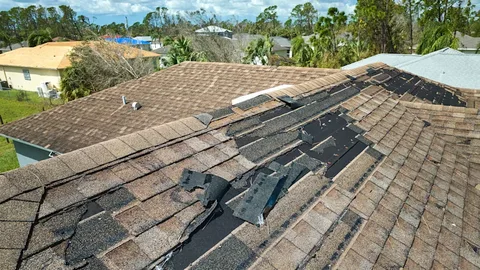
A roof rarely gets much attention when everything is working the way it should. But in places where heat, wind, hail, and sudden downpours are part of life, small maintenance decisions can have a major impact on how long a roofing system performs well. Homeowners who stay proactive often avoid the kind of damage that turns a manageable repair into a major replacement.
The good news is that extending roof life does not require obsessing over every shingle. It comes down to routine observation, timely upkeep, and understanding how weather affects the materials above your head. Whether you live in a fast-growing suburb or an established neighborhood with mature trees, a practical maintenance approach can help protect both your home and your budget.
Why Roofs Wear Out Faster Than Many Homeowners Expect
Most homeowners understand that roofs age over time, but many underestimate how quickly weather patterns can accelerate that process. Sun exposure can dry out roofing materials, repeated temperature swings can cause expansion and contraction, and high winds can loosen vulnerable areas long before leaks become visible indoors.
Storm-prone regions add another layer of stress. Wind-driven rain can force moisture into weak points around flashing, vents, and roof penetrations. Hail may not always create dramatic visible damage from the ground, but it can shorten the lifespan of roofing materials by bruising surfaces and weakening protective granules. Even debris from nearby trees can create impact points or clog drainage paths.
The key takeaway is simple: roofs usually do not fail all at once. They decline in stages. Catching the early stage is where homeowners gain the biggest advantage.
The Value of Seasonal Roof Awareness
You do not need to climb on your roof every month to protect it. What matters more is building a consistent habit of checking for warning signs during key times of the year.
A good rhythm includes:
- Looking over the roof after major storms
- Checking gutters and downspouts seasonally
- Watching for interior ceiling stains or attic moisture
- Noticing shingle pieces or roofing debris around the property
- Paying attention to sagging, discoloration, or flashing issues near roof lines
These observations are especially important after periods of strong wind or hail. A roof can appear mostly fine from the driveway while still having damage that deserves a closer look. Delaying that inspection can allow moisture intrusion to spread into decking, insulation, or interior finishes.
Small Problems That Often Become Expensive Ones
One of the most common homeowner mistakes is assuming a minor roof issue can wait until it becomes more obvious. Unfortunately, roofing problems tend to grow quietly.
Here are a few examples:
Lifted or Missing Shingles
A single missing shingle may not seem urgent, but it can expose underlayment and create a vulnerable entry point for water. If wind has lifted surrounding shingles, more sections may fail during the next storm.
Clogged Drainage
When gutters and valleys collect leaves, grit, or storm debris, water may back up instead of draining away properly. Standing water or overflow can contribute to fascia damage, soffit issues, and roof edge deterioration.
Damaged Flashing
Flashing protects some of the most leak-prone parts of the roof, including chimneys, vents, skylights, and wall intersections. Once flashing starts to separate, rust, or loosen, water can find its way into places that remain hidden for weeks or months.
Ventilation Issues
Poor attic ventilation can make a roof system work harder than it should. Excess heat and moisture may affect shingles from below, increase strain on the home, and contribute to premature aging.
What Preventive Maintenance Should Actually Include
Preventive maintenance sounds technical, but in practice it should be straightforward and focused. Homeowners benefit most when they think in terms of preservation rather than reaction.
A useful maintenance plan usually includes three steps:
- Routine visual checks from the ground
Scan for visible irregularities after storms and during seasonal transitions. - Professional inspections at sensible intervals
An experienced roofing professional can often identify damage patterns or installation weaknesses that are easy to miss. - Prompt repairs when issues are confirmed
Fast action helps prevent secondary damage and keeps repair scope smaller.
For homeowners who want a better sense of what professional support can look like in real-world situations, idealprecisionroofing.com offers context around residential roofing, repairs, storm restoration, and related exterior services.
How Storm Preparation Helps Before Damage Happens
Many homeowners think about roofing only after a storm passes. A better strategy is to prepare before severe weather arrives. That does not eliminate risk, but it can reduce vulnerability and make post-storm decisions easier.
Preparation often includes trimming overhanging limbs, clearing drainage paths, securing loose outdoor items that could become airborne, and documenting the current condition of the roof with dated photos. That last step is especially useful because it creates a record of pre-storm condition and helps homeowners identify changes after a major weather event.
It is also smart to know the age of your roof, the material type, and any past repair history. When homeowners keep basic records, conversations about inspections, maintenance, or insurance-related questions become much more productive.
When Repair Makes Sense and When Replacement Is Smarter
Homeowners often ask the same question after a storm or inspection: should the roof be repaired, or is it time to replace it?
The answer depends on more than one visible issue. A roof that is otherwise in good condition may benefit from targeted repairs if the damage is isolated. On the other hand, repeated patching can become inefficient when the roof is already near the end of its service life or when multiple components are failing together.
A few factors usually guide that decision:
- Age of the roof
- Extent and location of damage
- Condition of surrounding materials
- Frequency of recent repairs
- Risk of recurring leaks
- Long-term cost compared with short-term fixes
The smartest choice is rarely the cheapest option in the moment. It is the option that best preserves the home, reduces repeat disruptions, and supports long-term performance.
A Long-View Approach Protects More Than the Roof
A roof does more than shield a house from rain. It supports energy efficiency, interior comfort, structural protection, and resale confidence. When homeowners adopt a long-view mindset, roof maintenance stops feeling like an annoying expense and starts looking more like one of the most practical forms of home protection.
That long-view approach is especially important in climates where weather can shift quickly and seasonal storms create ongoing wear. The goal is not to panic after every wind event or chase cosmetic perfection. It is to stay informed, act early, and avoid the trap of waiting until damage becomes impossible to ignore.
Conclusion
Extending roof life is less about luck and more about habits. Homeowners who pay attention to seasonal changes, address minor issues early, and treat storm recovery seriously are usually the ones who get the best long-term results. In a storm-prone climate, prevention is rarely wasted effort.
A strong roof management strategy starts with awareness, but it succeeds through consistent follow-through. When homeowners take practical steps before problems escalate, they protect not just shingles and flashing, but the home as a whole.