
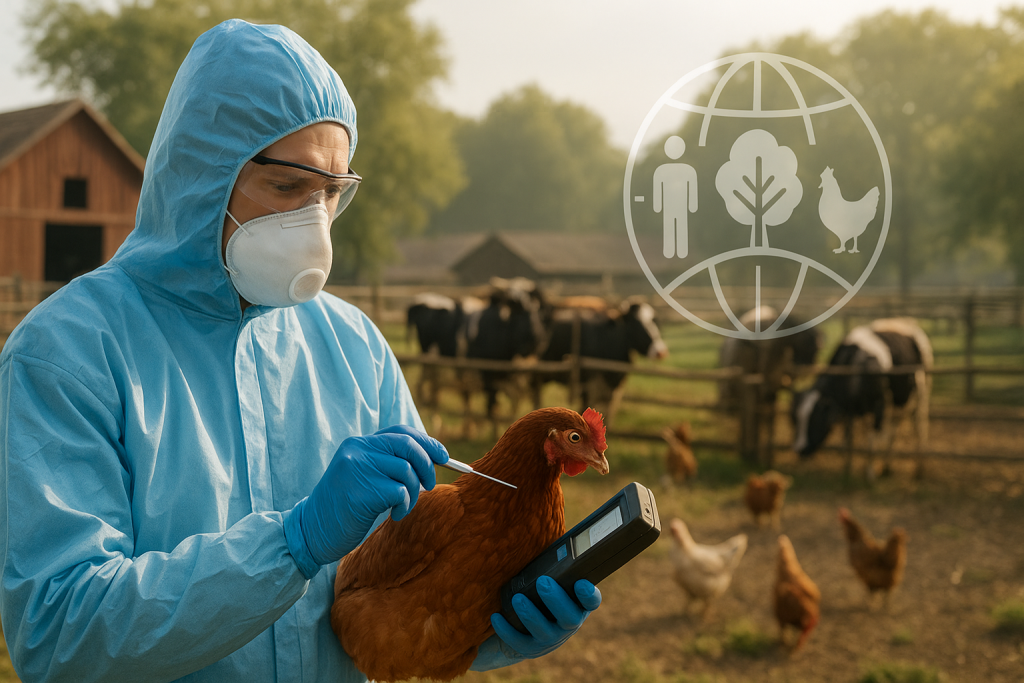
You might not think about disease surveillance, antibiotic resistance, or public health when you bring your pet to a veterinary clinic in North Augusta for an ear infection or a limp. Most people do not. You are focused on the animal in front of you, the cost of care, and that quiet fear that something may be more serious than it seems. Then the visit unfolds, and what looked like a routine appointment becomes something larger. A fever may point to a tick-borne illness. A cough may raise concern about a contagious respiratory disease. A wound may require careful antibiotic choices. That is why general veterinarians matter so much. They are often the first people to spot early warning signs, protect animal health, and help protect human health too.
That role is easy to miss because it happens in ordinary moments. A general veterinarian is the clinician many families see first, and that first look can shape what happens next. In many cases, early recognition means faster treatment, fewer complications, and less spread of disease. It also means one trusted professional can guide you through uncertainty before a crisis takes hold.
Why does a routine visit to a general veterinarian matter so much?
When a pet seems off, the first appointment often feels simple. You book a visit, describe the symptoms, and hope for a clear answer. But general practice is where patterns are caught early. A veterinarian who sees many common conditions also learns when something is not common at all. That difference matters.
Think about the range of things a general practice can uncover. Skin issues may point to allergies, parasites, or endocrine disease. Vomiting may be dietary, but it can also signal toxin exposure or infection. A behavioral change may be stress, pain, or even a neurologic problem. Because of this, primary care veterinarians are not just treating a symptom. They are sorting through possibilities, ruling out threats, and deciding when a case needs urgent intervention or referral.
And there is a wider layer to this work. General veterinarians are part of disease monitoring in ways many pet owners never see. The USDA outlines how veterinarians support disease surveillance and reporting, which helps identify conditions that may affect other animals, agriculture, or public health. So, when your veterinarian asks detailed questions about travel, wildlife exposure, diet, or contact with other animals, that is not small talk. It is part of a bigger safety net.
What problems can a general vet catch before they grow?
The hard part about many animal health issues is that they do not announce themselves clearly. Early signs are often vague. Your dog is tired. Your cat is hiding more. Your rabbit is eating less. It is easy to wait a day or two and hope it passes. Sometimes it does. Sometimes that delay gives infection, pain, or organ stress more time to build.
This is where the first line of defense idea becomes real. A general veterinary doctor can identify common issues quickly, but they can also catch the start of more serious ones. Zoonotic diseases, which can spread between animals and people, are one example. The CDC’s work on One Health coordination reflects a simple truth. Animal health, human health, and environmental health are linked. If a veterinarian recognizes a zoonotic risk early, that can affect how a family handles hygiene, isolation, follow-up care, and medical advice.
There is also the issue of antibiotics. When a pet has an infection, you want relief fast. That makes sense. But not every problem needs an antibiotic, and not every antibiotic is the right one. Careful prescribing protects your pet now and helps reduce resistance later. Programs focused on antimicrobial stewardship in veterinary medicine support this approach. In plain terms, your veterinarian is balancing speed, safety, and long-term effectiveness, not just handing over medication to get through the visit.
So, how does general veterinary care compare to waiting and watching?
Waiting can feel practical, especially if symptoms seem mild. It may save a trip in the short term. But it can also raise the risk of a more expensive, more stressful outcome. A routine exam often gives you clarity before a condition becomes harder to treat.
| Situation | Wait and Watch | General Veterinary Care |
| Mild cough or sneezing | May miss a contagious illness and expose other pets | Can assess severity, recommend testing, and guide isolation if needed |
| Skin infection or wound | May worsen, spread, or be treated with the wrong home remedy | Can clean, diagnose cause, and choose treatment with antibiotic judgment |
| Low appetite or lethargy | Easy to dismiss until dehydration or organ stress develops | Can detect pain, infection, metabolic disease, or toxin exposure early |
| Behavior changes | May be mistaken for aging or stress | Can uncover pain, neurologic issues, anxiety, or systemic illness |
This is why general veterinary care does more than respond to illness. It helps reduce uncertainty. It gives you a clearer picture of risk, timing, and next steps.
What can you do right now if you are worried about your pet?
1. Track changes before the appointment.
Write down when symptoms started, how often they happen, and anything that changed recently, such as food, environment, travel, or contact with other animals. Small details often help a veterinarian narrow the cause faster.
2. Do not start leftover medications at home.
It is tempting to use old antibiotics or pain medicine, especially if the symptoms seem familiar. That can blur the diagnosis or create new risks. A veterinary clinic can tell you whether your pet needs an exam right away and what to avoid in the meantime.
3. Ask bigger picture questions.
If your pet is diagnosed with an infection or parasite, ask whether other pets are at risk, whether people in the home should take precautions, and what signs should trigger a recheck. A good general vet is not only treating the problem. They are helping you protect the whole household.
Where does that leave you when the signs seem small but the stakes feel big?
It leaves you with a reminder that first contact matters. The family vet, the everyday clinic, the appointment that seems routine on the calendar, all of that can become the moment a problem is caught early and handled well. That is the quiet strength of a general veterinarian. They are often the first line of defense because they stand at the point where concern becomes clarity, and where early action can change the outcome for your pet and for others around them.
If your pet is showing changes that do not feel right, trust that instinct and schedule a visit with a general veterinarian. Early care can bring answers, relief, and a safer path forward.