
A passenger elevator is designed primarily to move people. That simple definition carries significant implications for how the equipment is designed, manufactured, and supported.
Capacity is measured in number of passengers, typically ranging from four to twenty-five. The car size is determined by the capacity and the intended use. A small residential elevator may have a car of one square meter. A large commercial elevator may have a car of four square meters or more.
Speed is measured in meters per second, ranging from 0.5 meters per second for low-rise buildings to over ten meters per second for super high-rise towers. The speed is determined by the building height, the number of floors served, and the traffic patterns.
Ride quality is a primary consideration. Passenger elevators must accelerate and decelerate smoothly, level accurately at each floor, and operate quietly. The ride should be comfortable for standing passengers, with minimal vibration and noise.
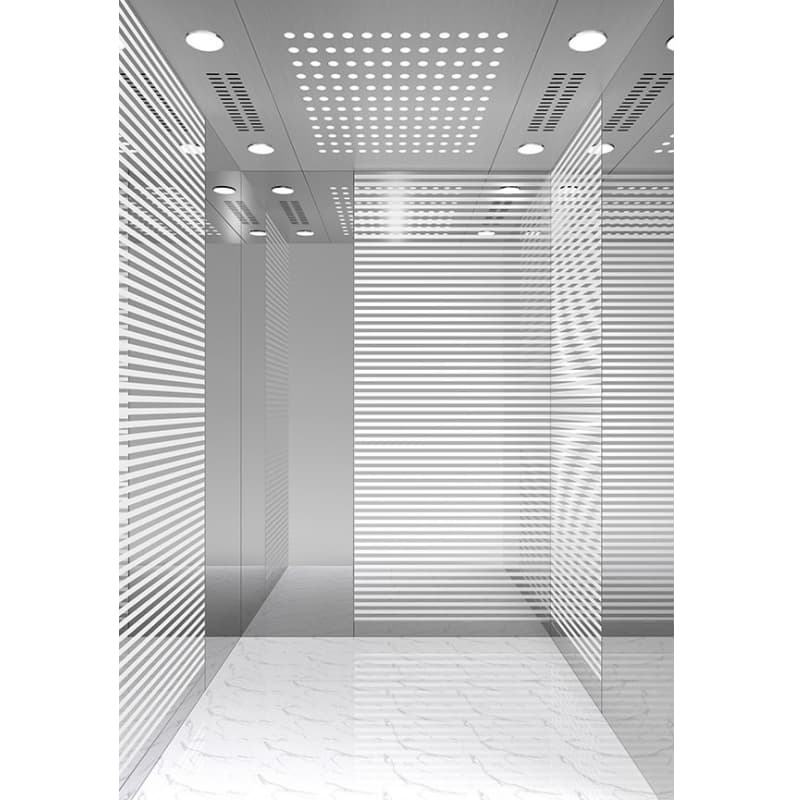
Aesthetics matter more for passenger elevators than for other types. The car interior is visible to passengers on every trip. It must be attractive, durable, and easy to maintain. Materials include stainless steel, glass, wood veneer, stone, and synthetic laminates.
Accessibility is a regulatory requirement in most jurisdictions. Passenger elevators must accommodate wheelchairs, walkers, and people with limited mobility. Car dimensions, door widths, control heights, and audible and visual signals must comply with accessibility standards.
The Product Range
A passenger elevator manufacturer typically produces several product lines to serve different building types and market segments.
Residential elevators serve private homes and small apartment buildings. They are compact, quiet, and designed to integrate with residential interiors. They may be hydraulic, traction, or machine-room-less designs.
Commercial elevators serve office buildings, hotels, and retail centers. They are designed for higher traffic volumes and may include advanced features such as destination dispatch, regenerative drives, and remote monitoring.
High-rise elevators serve tall buildings where speed and capacity are critical. They may use double-deck cars, sky lobbies, and zoning to optimize traffic flow.
Panoramic elevators feature glass cars and hoistways. They are used in atriums and buildings where the elevator is a design feature.
Modernization products allow older elevators to be upgraded with new controls, doors, and machinery. Modernization extends the life of existing equipment and improves performance.
What Separates a Good Manufacturer From a Poor One
The passenger elevator market has many manufacturers. Not all of them are equal. Several factors distinguish a manufacturer that delivers value from one that does not.
The first factor is engineering capability. Passenger elevators must operate safely and reliably for decades. A manufacturer with strong engineering capabilities can design products that meet the building’s needs and perform as intended. A manufacturer without those capabilities may produce equipment that is unreliable or difficult to maintain.
The second factor is manufacturing quality. The components that go into a passenger elevator must be manufactured to tight tolerances and tested rigorously. A manufacturer with modern production facilities and strong quality control produces reliable equipment. A manufacturer that cuts corners produces equipment that fails prematurely.
The third factor is product range. A manufacturer that offers a full range of passenger elevators can match the equipment to the building’s needs. A manufacturer that offers only one type may try to force the building into an unsuitable solution.
The fourth factor is service capability. Passenger elevators require maintenance, repair, and modernization over decades. A manufacturer with a strong service network and available spare parts can keep elevators running. A manufacturer without those capabilities leaves building owners to solve problems alone.
The fifth factor is safety record. Elevator work is inherently dangerous, and passenger elevator manufacturers must prioritize safety for their workers and for the riding public. A manufacturer with a strong safety culture invests in training, equipment, and procedures. A manufacturer without one cuts corners.
What to Consider When Selecting a Passenger Elevator Manufacturer
The selection process begins with the building’s needs. What type of building is it? How many floors? What is the occupancy? What are the traffic patterns? What are the accessibility requirements? The answers to these questions define the type of elevator and the level of performance required.
The manufacturer’s experience with similar buildings is the next consideration. A manufacturer who has installed elevators in hospitals understands the unique requirements of healthcare. A manufacturer who has only served office buildings may not be the best fit for a residential project.
The manufacturer’s product range is the third consideration. The building may need passenger elevators with different capacities, speeds, and finishes. A manufacturer who can supply a full range from a single source simplifies procurement and maintenance.
The manufacturer’s service capabilities are the fourth consideration. Elevator maintenance is a specialized task. It requires technicians who understand the equipment, access to spare parts, and a response time that minimizes downtime. The manufacturer’s service network and parts availability must be adequate for the building’s location and requirements.
The manufacturer’s references are the fifth consideration. Buildings that have installed the manufacturer’s elevators can provide feedback on performance, reliability, and service. This information is more valuable than any specification sheet.
The Bottom Line
A passenger elevator manufacturer builds the machines that move people between floors in buildings around the world. The choice of a manufacturer affects the building’s operations, its occupants, and its long-term costs. For building owners and developers, understanding what these manufacturers do and how to evaluate them is essential to making a sound decision. The elevator will be in service for decades. The manufacturer relationship often lasts just as long.